

About the Author

Roofmasters
30+ Years
Rooted in experience and built on trust, we deliver high-quality roofing, solar, and gutter solutions that safeguard your property and elevate its long-term value.


Is Your Roof Wildfire Ready? Fireproofing Tips for California
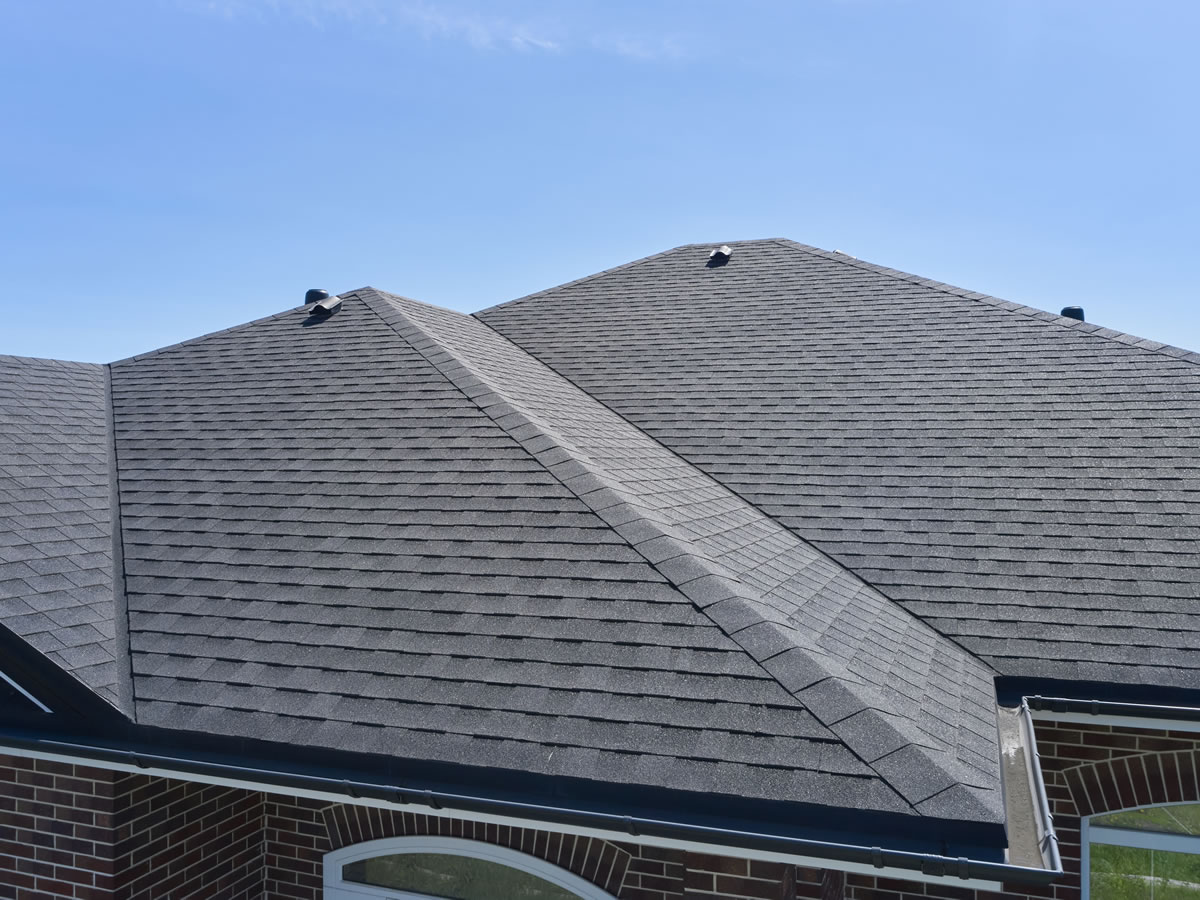
What Does It Mean to Fireproof a Roof?
While no roof is completely fireproof, the goal is to make your roofing system as fire-resistant as possible. A highly resistant roof:
- Does not catch fire easily
- Slows the spread of flames
- Reduces ember entry
- Protects exposed wood
- Limits the places where burning debris can collect
A strong roof is only one part of wildfire preparation. Homeowners should also keep leaves, branches, firewood, and other flammable materials away from the home.
Which Roofing Materials Are Best for Fire Protection?
Roofing products are usually rated Class A, B, or C based on how well they resist fire.
| Fire Rating | Level of Protection | Common Examples |
| Class A | Highest protection | Many asphalt shingles, metal, clay tile, concrete tile, and slate |
| Class B | Moderate protection | Some treated wood roofing |
| Class C | Basic protection | Lower-rated treated roofing products |
| Unrated | Limited protection | Many untreated wood shakes and shingles |
For homes in wildfire-prone areas, a Class A roofing system is usually the best choice.
Common Class A options include fiberglass asphalt composition shingles, metal roofing, clay or concrete tiles, slate, and some fiber cement roofing products.
However, the roof covering is only one part of the system. The fire rating may also depend on the underlayment, roof deck, edge protection, and installation method.
- Asphalt Composition Shingles
Many fiberglass asphalt shingles carry a Class A rating when properly installed. They are popular because they are practical, affordable, and available in many styles.
Even with a Class A roof, damaged shingles or flashing can leave openings where embers may get underneath. Regular inspections help catch these problems early. - Metal Roofing
Metal does not ignite, which makes it a strong option in wildfire areas. It also tends to collect less debris than rough or textured roofing materials. The edges and gaps beneath metal panels must be properly closed. Otherwise, wind-driven embers may enter beneath the roof covering. - Clay and Concrete Tile
Clay and concrete tiles are fire-resistant, but curved tiles may leave openings along the roof edge. Cracked, missing, or shifted tiles can also expose the underlayment. That’s why proper edge closures and regular roof inspections are important.
Can Embers Enter Through Roof Vents and Gaps?
Yes. Even a Class A roof can remain vulnerable if embers enter through attic vents or open gaps.
Common places embers can enter include:
- Soffit and eave vents
- Gable vents
- Ridge vents
- Gaps below roof tiles
- Openings around pipes
Loose flashing - Chimney and skylight edges
- Damaged fascia boards
Ember-resistant vents can help block burning particles while still allowing the attic to breathe. Fine, corrosion-resistant metal screening may also help in some situations, but it must meet local building and airflow requirements.
You should not cover attic vents with solid material. Poor attic ventilation can trap heat and moisture, which may cause mold, wood damage, and early roof failure. A professional roof inspection can identify openings without creating new ventilation problems.
Why Should You Keep the Roof and Gutters Clean?
Dry leaves, pine needles, twigs, and seed pods can catch fire quickly when embers land on them. That’s why keeping your roof valleys, gutters, and the areas around chimneys clean is one of the simplest ways to lower wildfire risk.
How Can Homeowners Keep Roof and Gutters Clean?
- Clean gutters before wildfire season
- Remove leaves from roof valleys
- Check the roof after strong winds
- Trim branches that hang over the roof
- Remove moss that traps debris
- Repair damaged or loose gutters
Gutter guards can reduce larger debris, but they do not remove the need for regular cleaning. Small leaves and dust may still collect above or below the guard.
Tip: Never climb onto a steep, fragile, or high roof without proper safety equipment. Contacting a professional roofing service is safer when access is difficult.
How Do Flashing, Roof Edges, and Underlayment Help?
Metal Drip Edge
Metal drip edge covers the outer edge of the roof. It helps protect the roof deck and reduces exposed wood along the eaves and rakes. This is important because embers often collect near roof edges.
Flashing
Flashing seals areas where the roof meets another surface, such as chimneys, skylights, exterior walls, plumbing vents, and roof valleys. Loose, rusted, or missing flashing can create openings for both embers and rainwater.
Fire-Resistant Underlayment
Underlayment sits beneath shingles, tile, or metal roofing. Fire-rated underlayment can add another layer of protection if embers pass through the outer roof covering.
This is most important below tile roofs, where small gaps may exist between individual tiles.
When Should a Roof Be Repaired or Replaced?
Not every roof needs complete replacement. Some wildfire weaknesses can be corrected with targeted repairs.
Roof repair may be enough when there are:
- A few cracked or missing tiles
- Small flashing gaps
- Limited shingle damage
- Damaged roof vents
- Minor gutter or fascia problems
Replacement may be the better choice when:
- The roof has untreated wood shakes
- Large sections are brittle or worn
- The underlayment has failed
- The roof has widespread leaks
- The roof deck is damaged
- Many tiles or shingles are missing
- The roof is near the end of its expected life
A professional inspection should evaluate the roof covering, vents, underlayment, flashing, gutters, edges, and roof deck.
This helps homeowners avoid replacing a roof when repairs are enough. It also helps prevent repeated repair costs on a roof that has already reached the end of its life.
Do California Wildfire Building Rules Apply to Every Home?
Requirements depend on where the property is located, when it was built, and the type of roofing work being completed.
Homes in certain Wildland-Urban Interface areas may need to meet stricter wildfire construction rules. These requirements can affect roof coverings, vents, eaves, siding, windows, decks, and other exterior materials. Local cities and counties may also have rules that are stricter than the state minimum.
If your home is in a wildfire-prone area, your roofing project may need to meet additional California building requirements.
Common Questions About Fire-Resistant Roofing
Can asphalt shingles protect a home from wildfire?
Many modern fiberglass asphalt shingles have a Class A fire rating when installed as part of an approved roofing system. However, the rating also depends on other factors more than the shingles.
Underlayment, roof decking, flashing, and installation are all important. Missing or lifted shingles should be repaired because embers may reach the layers beneath them.
Is metal roofing better than tile in wildfire areas?
Both metal and tile can provide strong fire protection when installed correctly.Metal does not ignite and usually has fewer places where debris can collect.
Clay and concrete tile are also fire-resistant, but gaps beneath curved tiles must be properly closed. The best option depends on the home’s structure, budget, roof design, and maintenance needs. A professional roofer can help compare the complete systems.
Should an old wood shake roof be replaced?
How often should Northern California homeowners clean their roofs and gutters?
Takeaway
Fireproofing a roof is not only about choosing a fire-rated material. You also need to block ember entry, keep gutters clean, repair damaged flashing, protect roof edges, and replace highly combustible materials.
Start with a roof inspection. Once you know where the weak points are, you can decide which repairs or upgrades will make the biggest difference.
Read More About:
Protect Your Home Before Wildfire Season -Trust Roofmasters
Roofmasters has more than 30 years of experience helping Northern California homeowners maintain, repair, and replace their roofs. As a fully licensed roofing company, we understand how dry summers, wind, aging materials, and wildfire conditions affect local homes.
Our experienced team specializes in roof repair, fire‑resistant roofing upgrades, gutter services, and complete roof replacement in Walnut Creek. We first inspect your roofing system and explain the most practical next steps. We’re a BBB-accredited company with an A+ rating, so you can feel confident that your roof is in safe, experienced hands.
We also provide roof inspections, leak repair, residential roofing, commercial roofing, composition shingle roofing, concrete tile roofing, roof maintenance, and gutter services throughout Solano, Napa, Yolo, Sacramento, and Contra Costa counties.
Contact us at (707) 447-7663 to schedule a professional roof inspection or request an estimate.
related articles
SUBSCRIBE To Our Newsletter
